Every family has those moments. The afternoon stretches on, energy spikes or crashes, and a small person who was fine ten minutes ago is suddenly not fine at all. Helping a child come back to a calmer place is not about having the perfect technique. It is about having a few reliable options ready before you need them, so you are not improvising in the middle of a hard moment.
Below are practical calm-down ideas you can set up at home. None of them require special training. They are simple, low-cost, and easy to repeat, which matters more than any single clever trick. The goal is to build a small toolkit you and your child can reach for together.
Start with a predictable space
Children settle more easily when the environment gives them fewer things to react to. A dedicated calm-down spot, even a small one, gives a child somewhere to go that is consistently associated with slowing down.
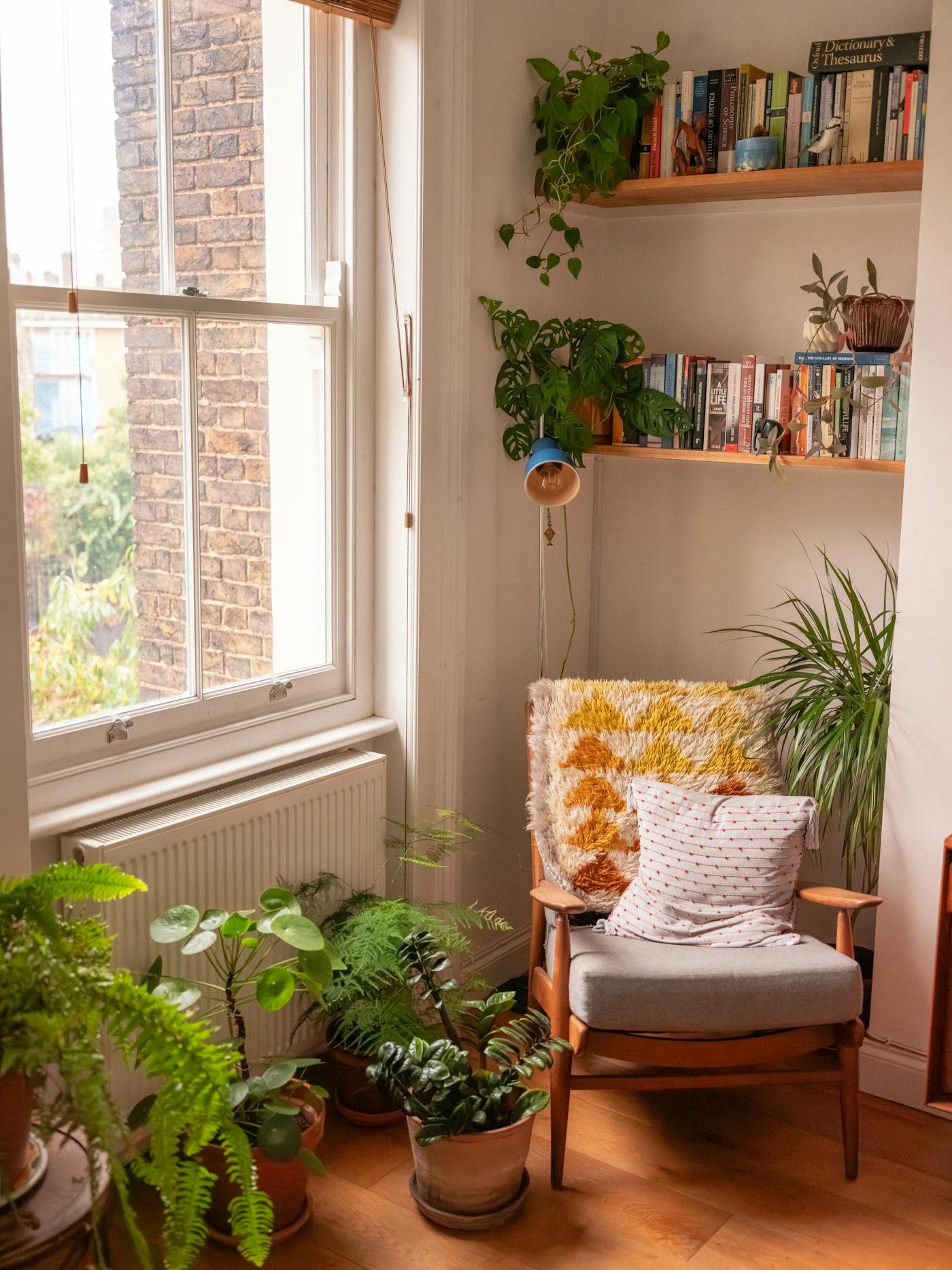
You do not need a whole room. A corner with a soft surface, a cushion or two, and a low light is plenty. Some families add a basket with a few quiet items: a favourite book, a soft toy, a fidget. Keep it simple and keep it the same. The point is that the space stays recognisable, so over time your child learns that this corner is where things get quieter.
If you can, position it slightly away from the busiest part of the home. A spot that is out of the direct line of foot traffic and screens helps reduce the number of competing signals a child has to filter out.
Lean on deep-pressure and proprioceptive input
Many children respond well to firm, steady pressure on the body. This kind of input, often described as deep-pressure and proprioceptive input, comes from activities that push, pull, squeeze, or carry weight. For some children, this type of input helps them feel more settled and may support self-regulation.
You can build this in with everyday things:
- A firm, reassuring hug, if your child is comfortable with touch.
- Rolling up snugly in a blanket like a sausage roll, then slowly unrolling.
- Pushing against a wall with both hands for a slow count of ten.
- Carrying something with a bit of weight to it, such as a basket of books from one room to another.
- Squeezing a cushion hard, then releasing, a few times in a row.
Watch your child’s response and follow their lead. Pressure should always feel good to them, never forced. If they pull away, switch to something gentler.
Try a few breathing games
Slow breathing is one of the simplest ways to help the body settle, but telling a child to take a deep breath rarely works on its own. Turning it into a game gives them something concrete to focus on.
A few that tend to land well:
- Smell the flower, blow out the candle. Breathe in as if smelling a flower, breathe out as if gently blowing out a candle.
- Balloon belly. Place a hand on the tummy and watch it rise and fall like a balloon inflating and deflating.
- Tracing fingers. Slowly trace up one finger while breathing in, and down the other side while breathing out, across the whole hand.
Practise these when everyone is already calm. A breathing game your child already knows is far more useful than one you are teaching for the first time during a meltdown.
Reduce the load before adding tools
Sometimes the most helpful thing is to take something away rather than add something new. Bright lights, background television, a crowded table, or too many choices can all stack up. Before reaching for a strategy, scan the room. Can you dim the light, turn off a screen, lower your own voice, or clear some space?
Lowering your own tone and slowing your own movements has a real effect too. Children take cues from the adults around them, so a calm body and an unhurried voice often does more than any instruction.
Build a wind-down routine
A lot of dysregulation builds up over a day rather than appearing from nowhere. A predictable wind-down routine in the late afternoon or before bed gives the day a soft landing.
This might be the same short sequence each evening: a warm bath, into pyjamas, a quiet activity on the calm-down spot, then a story. The exact steps matter less than the fact that they repeat. Predictability is calming in itself, because your child always knows what is coming next.
Make it a shared toolkit
Where it helps, involve your child in choosing what goes in their toolkit. Some children like to help decorate their calm-down corner or pick which breathing game is their favourite. When a strategy feels like theirs, they are more likely to reach for it.
It also helps to name what works out loud, gently and without making it a big deal. Something like, “You squeezed the cushion and your body looks a bit calmer now,” helps a child start to notice the link between what they did and how they feel.
A note on what to expect
Calm-down strategies are not switches. On some days they work quickly, and on others they barely take the edge off, and both are completely normal. The value is in having steady, familiar options you return to again and again. Over time, a small, consistent toolkit gives both you and your child more ways to get through the hard moments together, which is the real point.