The world can be a loud, bright, fast-moving place for a young child. For children navigating sensory differences, neurodivergence, or simply the jolt of moving from a structured school day into a busy home, it does not take much for everything to feel like too much at once. When a child reaches that limit, it is not just a bad mood. The body can shift into high alert, and in that state a calm conversation is rarely going to land.
What helps in those moments is not a punishment or a place to be sent. It is somewhere a child can go to slow down. A decompression space is a small, dedicated spot in the home set up for exactly that. Here is a practical guide to building one.
Why standard time-outs miss the mark
For a long time, the default response to a child who was overwhelmed or having a big reaction was to send them away on their own. The trouble is that a traditional time-out usually feels like a consequence, and that can add to a child’s distress rather than ease it.
A decompression space is a different idea entirely. It is an inviting spot a child chooses to go to, not a place they are sent. Over time, many children learn to head there when they notice their own early warning signs, the fidgeting, the covered ears, the quiet withdrawing, before a hard moment tips over into a meltdown. It is somewhere to recover, not somewhere to be in trouble.
Choosing the right spot
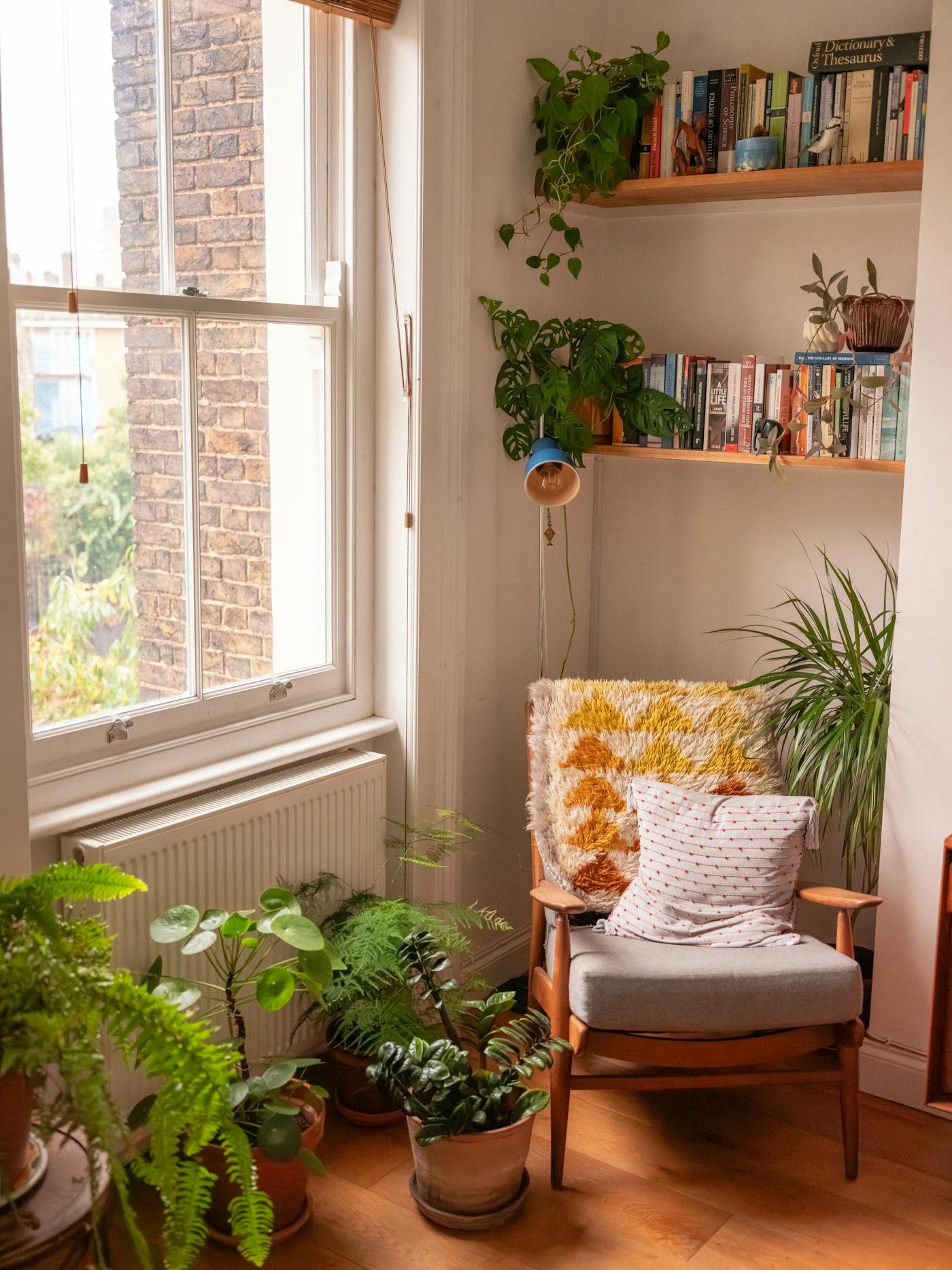
The ideal decompression space feels tucked away from the busiest parts of the home, while still being close enough that your child can feel you nearby. Look for a low-traffic nook, such as a quiet corner of a bedroom, the space under a loft bed, a section of a study, or a small pop-up tent.
One thing to avoid: setting the space up directly under harsh overhead lighting, or right beside noisy appliances like a television or a washing machine. The whole point is fewer competing signals, so pick the calmest corner you can find.
A low, supportive foundation
The heart of any decompression space is the surface a child sits on and the sense of being gently enclosed. When a child is overwhelmed, a low, grounded, well-cushioned base helps them feel steady and held in place. Hard plastic chairs and standard furniture are too rigid for this. You want something soft, low to the ground, and stable.
This is where modular foam pieces work well. Because they can be arranged and rearranged, you can build a low nook with a soft floor and a gentle wall on two or three sides, shaping a snug U that gives a child a clear, comforting boundary. A space that feels physically held tends to feel emotionally safer too.
Designing for the senses
When a child is overstimulated, their brain is working hard to process everything coming in through the eyes, ears, and skin. The aim is to strip away the noise and offer a few gentle, predictable inputs instead.
- Sight. Keep the look plain and muted. Soft earth tones, gentle greens, or calm blues work well. Skip busy patterns and bright overhead lights. A low-wattage warm lamp, soft fairy lights, or a light-filtering curtain can create a soft, cave-like feel.
- Sound. Some children settle best in near silence, while others do better with a steady, predictable sound to mask background noise. A pair of noise-reducing headphones or a small machine playing gentle rain or ocean sounds gives you both options.
- Touch. Many children find firm, steady pressure soothing. A weighted lap pad, a large soft cushion, or a few different textures like fleece or faux fur add comforting touch to the nook. Always let your child lead on what feels good and never press touch on a child who is pulling away.
A calm-down toolkit
Once the space itself is set, add a small basket of simple, non-electronic items your child can reach for. The idea is to give them a few ways to settle that they get to choose between.
A few that tend to work well:
- Tactile fidgets such as pop-its, textured stress balls, or stretchy silicone strings.
- Slow visual items like a liquid motion bubbler or a glitter bottle, which give the eyes a gentle, rhythmic thing to follow.
- Simple breathing cards that guide a child through slow breaths, such as tracing the four sides of a square as they breathe.
Introduce it on a calm day
The most important step is how you introduce the space. Never steer a child into the nook for the very first time in the middle of a meltdown, as that teaches them to link the spot with stress.
Instead, introduce it on a quiet, low-key afternoon. Sit in the soft setup together, read a favourite book, try out a fidget, and explain it simply: this is your safe space, and any time the world feels too big or your body feels too fast, you can come and sit here to help yourself feel calm again. Build that association gently, while everyone is settled, and the space will be ready when a harder moment comes.