Have you ever watched your child look at a fairly simple obstacle, like a row of stepping stones or a low climbing ladder, and freeze, unsure how to begin? Or noticed that they often trip over their own feet, clip doorways, or put their clothes on in the wrong order? When a child seems clumsy or finds new movements hard, it is easy to assume it is about strength. Usually it is not.
More often, the tricky part is a quieter process called motor planning. Motor planning is the bridge between an idea in the brain and the body actually carrying it out. Helping a child build that brain-to-body connection is a real and worthwhile part of how movement skills develop, and the good news is that it grows with the right kind of play.
What motor planning is
Motor planning, sometimes called praxis, is the brain’s ability to picture, organise, and carry out a sequence of unfamiliar movements. Every time your child tries something new with their body, the brain works through three steps in quick succession.
- Ideation. Forming a clear picture of the goal, such as “I want to climb over that block”.
- Organising. Working out the order of movements: which foot goes first, how far to bend the knee, how much push to use.
- Execution. Sending the signals down to the muscles to carry the movement out smoothly.
Once a movement has been practised enough times, it stops needing a conscious plan and becomes automatic. That is why an adult can walk upstairs or ride a bike without thinking through each muscle. For a child who finds motor planning tricky, though, every new task asks for a big, tiring burst of conscious effort.
Spotting motor-planning difficulties
Children who find motor planning hard often have plenty of strength and plenty of enthusiasm to play. The plan itself is what gets lost on the way from the idea to the movement. You might notice some of these in everyday life:
- They find it hard to learn tasks that come in a sequence, such as doing up buttons, tying shoes, or brushing teeth.
- They take a while to arrange their body when asked to sit cross-legged or climb into a car seat.
- They stick closely to the same familiar games and are reluctant to try new equipment or a new sport.
- They come across as clumsy, often misjudging distances, tripping on flat ground, or knocking over a cup.
Building brain-to-body connections
The encouraging part is that the brain is very adaptable. With playful, well-pitched activities that ask a child to solve little movement puzzles, those pathways grow quicker and smoother over time.
Break movements into small steps. When a child is stuck, a broad instruction like “go climb that” can be overwhelming. Instead, offer one clear step at a time, focusing on a single limb: “Put your left hand on the rail. Now lift your right foot to the first step.” That kind of gentle, specific coaching helps the brain with the organising stage.
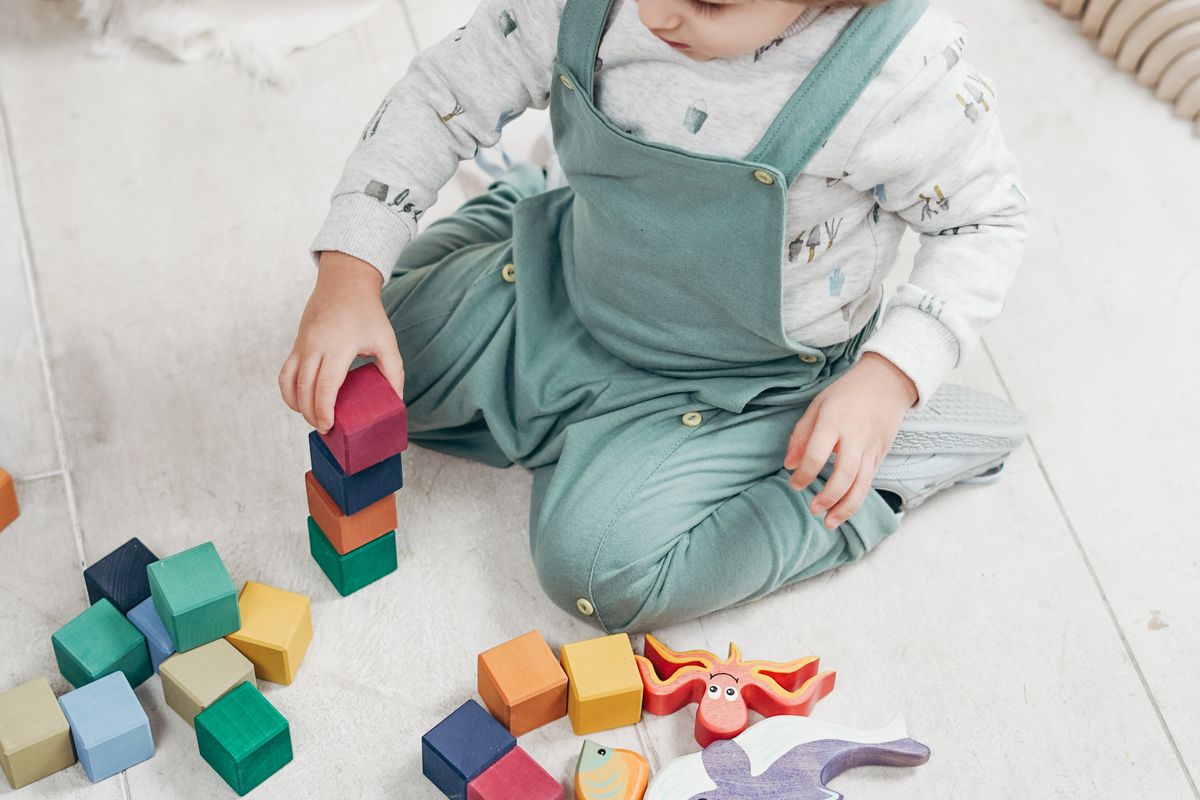
Offer open-ended, changing setups. Toys that work only one way do little to stretch a child’s ideation or planning. What helps is play that keeps shifting. Rearrangeable foam blocks are ideal here, because they can be built into a tunnel one day and a low mountain or balance ridge the next. Each new arrangement means the child cannot fall back on muscle memory: their brain has to read the new puzzle, build a fresh plan, and carry it out, all on a safe, cushioned surface.
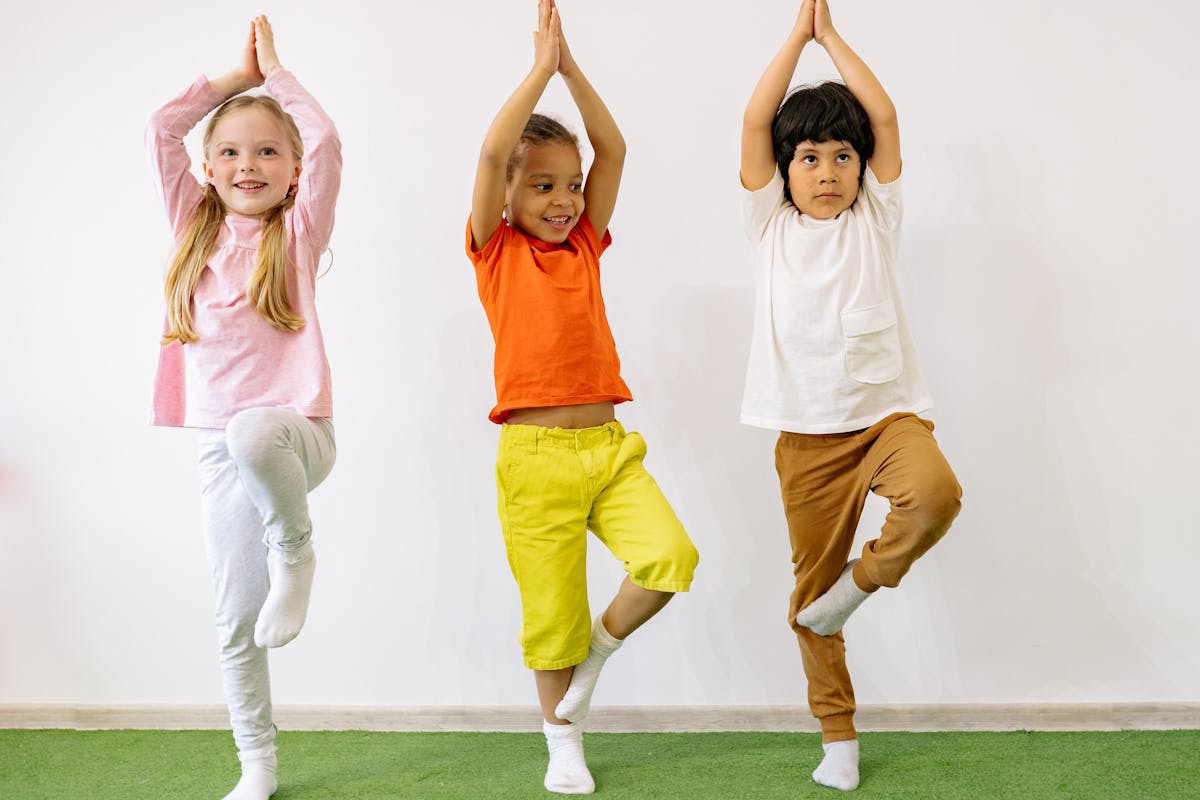
Play rhythmic coordination games. Games built on rhythm, copying, and sequence are great for praxis. Try a mirror game, where your child copies your movements in real time, touching an ear, hopping on one foot, then clapping. Simon Says adds a thinking layer, since the brain has to listen, plan the movement, and only act at the right moment. Or call out animals every few seconds, frog, then crab, then a tall giraffe stretch, so the body keeps discarding one plan and building the next on the fly.
Patience over perfection
Building motor planning takes time, repetition, and a lot of mental effort on a child’s part. If your child finds coordination hard, the aim is not a perfect performance. It is keeping their willingness to have a go. Give them a safe space and flexible, changing things to play with, and you let them solve movement puzzles at their own pace, building the body confidence and independence they will lean on every day.