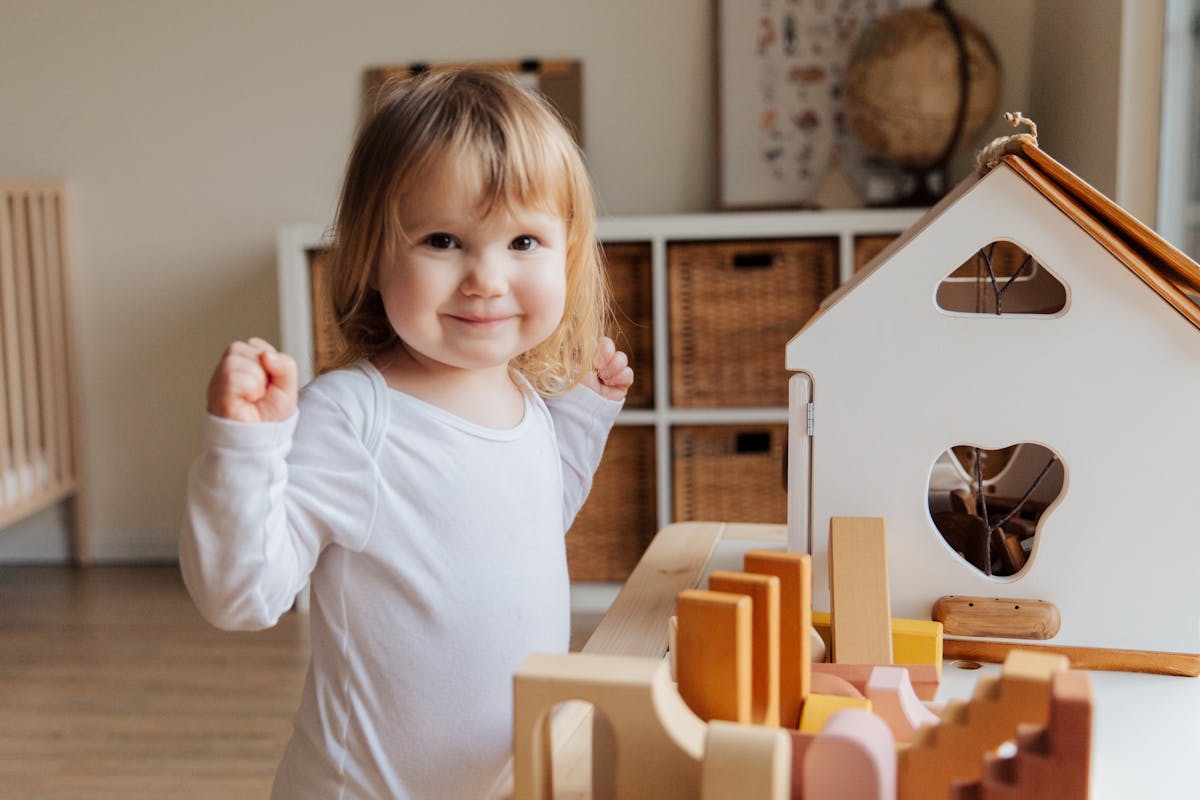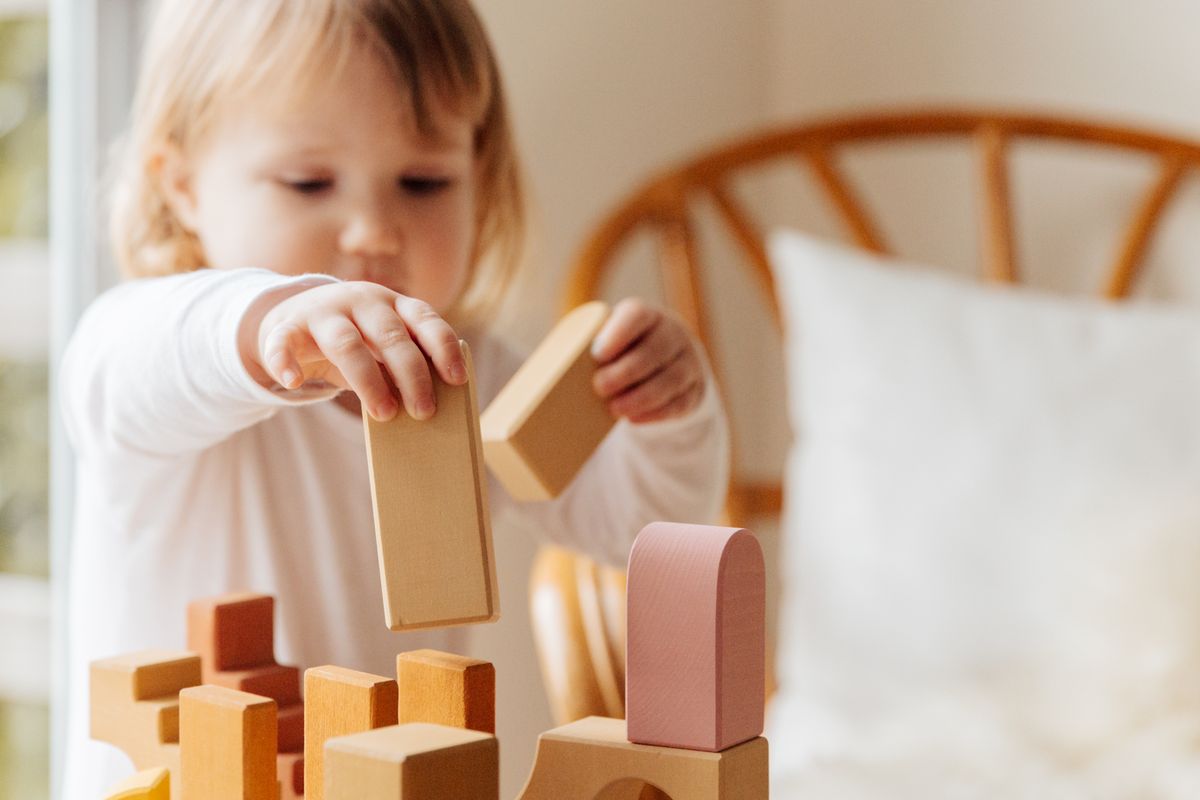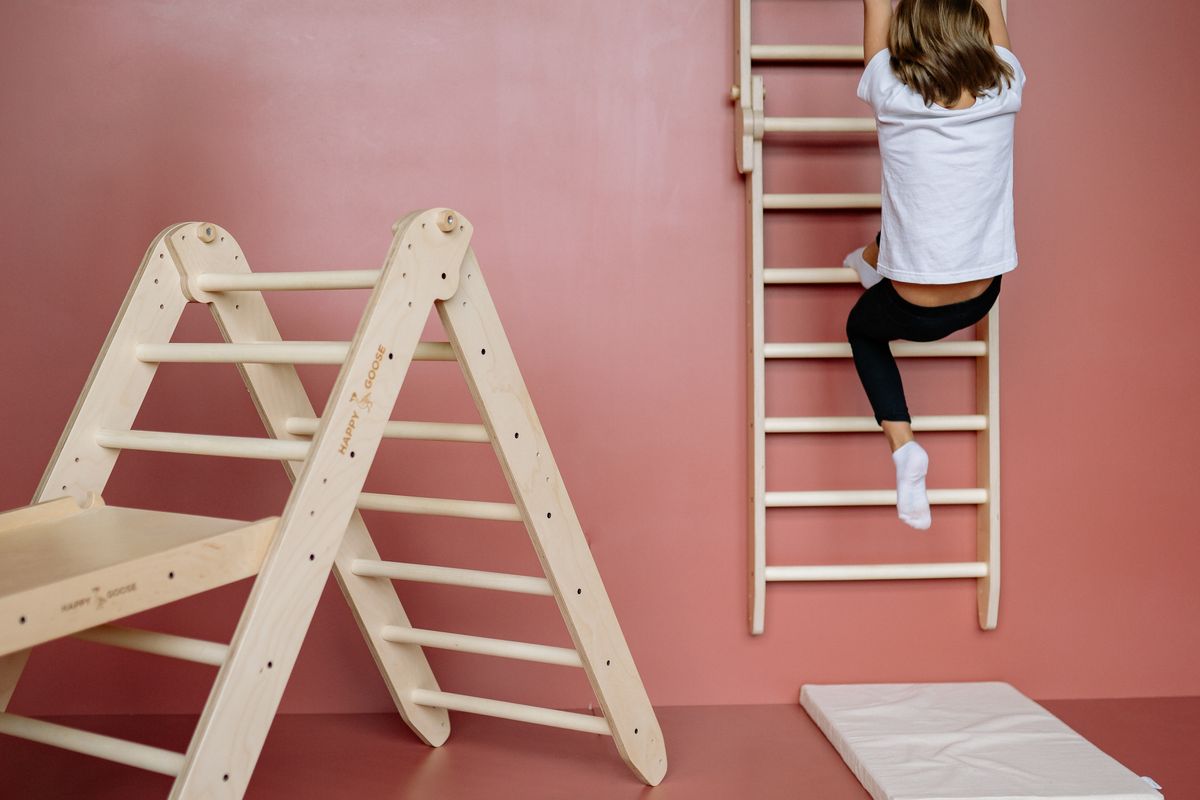
When the weather keeps everyone indoors, the energy in the house can build up fast. For an active child, losing the chance to run, jump, and climb outside often turns into restlessness, short tempers, and the kind of afternoon where nothing quite settles. Rather than fighting that energy, you can give it somewhere to go by turning the living room into a movement zone for an hour or two.
An indoor obstacle course is one of the most useful rainy-day setups going. It burns off physical steam while giving your child’s motor planning, spatial awareness, and core stability a real workout. With a mix of everyday household bits and a few soft play pieces, you can build a safe, structured circuit that keeps your furniture out of the firing line.
Why obstacle courses help
Obstacle courses ask a child to use several systems at once, which is exactly why they are such a satisfying way to reset a restless afternoon. Each time your child runs the circuit, a few things are quietly happening.
- Sequencing and memory. Remembering the order of the stations, first crawl, then jump, then balance, gives working memory and focus a workout.
- Two-sided coordination. Crawling, climbing, and steering around objects ask the left and right sides of the body to work together smoothly.
- Movement input. Changing head positions and lifting body weight feeds the balance and body-awareness senses, which tends to leave a child feeling calmer and more settled once the game is done.
Here are six low, creative layouts to try on your next wet day.
1. The crocodile river
This one runs on the floor-is-lava idea, which rewards slow, careful control over a flat-out run.
Lay out a winding path of low surfaces across the floor: couch cushions, small mats, or flat pillows, spaced just far enough apart that your child has to stretch or take a small leap to cross. The rule is simple: get from one side of the room to the other without letting a foot touch the bare floor, where the imaginary crocodiles are waiting.
2. The bear-crawl express
This course is built for deep muscle work and shoulder stability, which makes it a good grounding station for a wound-up child.
Set up an open pop-up tunnel, a large box open at both ends, or a low table. Your child drops onto all fours into a bear-crawl position, hands and feet with knees off the ground, and pushes a light weighted item, like a soft ball or a backpack with a couple of books in it, all the way through using only their head or chest.
3. The structural foam ridge
If your child is a committed couch-jumper, they need a proper physical challenge that also protects them on the way down. Hard timber frames can feel risky in a tight room, so soft play pieces are the safer pick here.
Use firm, high-density foam blocks, wedges, and steps. Line up a dense step, a tall rectangular block, and an angled wedge in sequence. Your child climbs the steps, balances on the top, and slides or rolls gently down the wedge onto a soft mat, giving their muscles a good workout with very little risk of a hard bump.
4. The secret-agent laser maze
This layout asks for careful, precise movement, so children have to slow right down and plan each step.
Find a narrow hallway and tape long strips of painter’s tape, yarn, or streamers from wall to wall at different heights and angles. Your child steps over, crawls under, and wiggles through the laser beams without touching the tape. Dim the lights and hand them a torch to make it feel like the real thing.
5. The agility dot-hop
A good way to burn pure energy when space is tight.
Lay out non-slip stepping stones, or use loops of painter’s tape to mark target circles on the floor in a zigzag. Your child hops from dot to dot on one foot, or lands with both feet in a set sequence without missing a target, tracking their best time with a stopwatch.
6. The grand-slam circuit
When you need to keep things going for a while, join your pieces into one big loop that keeps changing direction.
A simple sequence might be:
- The launch. Jump off a low, sturdy foam block into a soft crash pad.
- The balance. Walk sideways along a thin line taped to the floor.
- The tunnel. Crawl under three dining chairs lined up in a row.
- The squish. Roll like a log all the way across a thick, cushioned mat.
The takeaway
Rainy days do not have to end in a wrecked living room or a screen-time marathon. By taking charge of the space and mixing household items with firm, modular soft play, you can build safe ways for your child to move. These games keep kids active, challenged, and settled until the sun comes back out. As always, keep an adult nearby, keep the landings soft, and clear the floor of anything hard before you start.